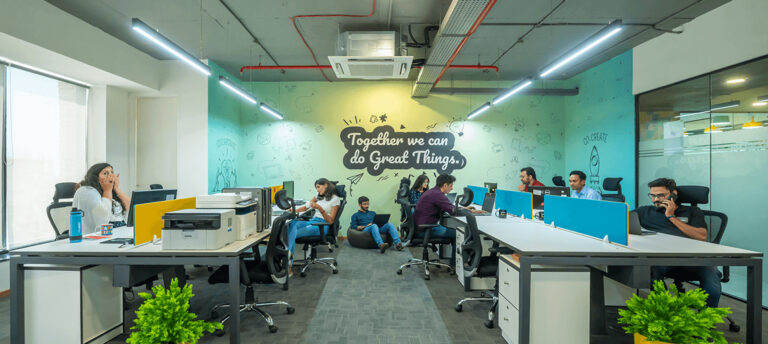
Co-Working Spaces vs Traditional Offices – Why Wnikle is Leading the Change
The landscape of workspaces has been undergoing a seismic shift. Gone are the days when businesses automatically opted for traditional offices with long-term leases, rigid structures, and hefty overheads. Today, coworking spaces have emerged as a compelling alternative, offering flexibility, community, and affordability. At the heart of this transformation in India is Wnikle, a pioneer in coworking and virtual office solutions.
In this blog, we will explore the differences between traditional offices and coworking spaces, highlight the benefits of each, and explain why Wnikle has become the go-to choice for businesses of all sizes.
Traditional Offices: A Legacy Model
The Concept of Traditional Offices
Traditional offices are often tied to long-term rental or lease agreements. Businesses commit to physical space for several years, typically managing their own infrastructure, furnishings, utilities, and maintenance. While this setup has historically been the norm, it comes with its share of challenges.
Advantages of Traditional Offices
- Stability and control: Companies have full control over design, branding, and office operations.
- Exclusivity: Only employees of the business occupy the space.
- Established presence: Large physical offices can impress clients and reflect authority.
Limitations of Traditional Offices
- High costs: Rent, utilities, maintenance, and furniture represent significant overhead.
- Inflexibility: Businesses are tied to long contracts regardless of changing needs.
- Isolation: Employees miss out on the dynamic exchange of ideas that coworking fosters.
- Scalability issues: Expanding or downsizing is complicated and expensive.
Coworking Spaces: The Modern Revolution
The Concept of Coworking Spaces
Coworking is about creating a shared working environment where individuals, startups, freelancers, and even corporates share office infrastructure while benefiting from flexibility, affordability, and community.
Advantages of Coworking Spaces
- Flexibility: Businesses can rent by the hour, day, or month.
- Cost-effective: Shared infrastructure dramatically reduces overhead costs.
- Networking opportunities: The collaborative environment encourages innovation.
- Amenities included: High-speed internet, meeting rooms, reception services, and ergonomic furniture come as standard.
- Work-life balance: Many coworking spaces incorporate wellness initiatives, breakout areas, and events.
Limitations of Coworking Spaces
- Less exclusivity: You share the space with others, which may not suit some businesses.
- Potential distractions: Open layouts can sometimes impact focus.
- Limited control: Businesses may not fully customise the environment.
Wnikle: Leading the Coworking Movement in India
Wnikle is more than just a provider of coworking desks, it is redefining what workplaces mean in India. Here’s why businesses are increasingly turning to Wnikle:
Affordable Office Solutions
Wnikle’s coworking model eliminates the high costs of renting and maintaining a traditional office, making professional spaces accessible to startups, SMEs, and freelancers.
Prime Locations
Situated in Jaipur and expanding into key metros, Wnikle ensures businesses enjoy prestigious addresses without the associated expenses.
Flexibility Built for Growth
Whether you need a desk for a day or a private cabin for a year, Wnikle adapts to your needs, allowing you to scale effortlessly.
A Thriving Community
Wnikle fosters collaboration by bringing together entrepreneurs, digital nomads, and established companies in a single ecosystem. This culture of sharing ideas often sparks innovation.
Fully Equipped Workspaces
With high-speed internet, conference rooms, printing services, and virtual office facilities, Wnikle provides everything needed for smooth day-to-day operations.
The Future of Workspaces in India
As India embraces entrepreneurship and remote work, coworking spaces are expected to dominate the market. Traditional offices will continue to serve large corporations with specific needs, but coworking is now the preferred choice for agile, growing businesses. Wnikle, with its blend of affordability, innovation, and customer-first approach, is perfectly positioned to lead this change.
Conclusion
The debate between coworking spaces and traditional offices is no longer about which is better, but about which suits modern businesses best. For flexibility, cost savings, scalability, and collaboration, coworking spaces are the clear winner. With Wnikle at the helm, businesses in India can enjoy world-class facilities, inspiring environments, and the freedom to grow without constraints.
Wnikle is not just providing desks, it is shaping the future of work in India.